Cracked glass derails a day faster than a dead battery. One stone pop on I‑26, a stress crack after a hard freeze, or a break-in downtown, and you are juggling safety, schedule, and cost. The good news: a well-run Columbia auto glass shop turns a headache into a straightforward errand. The better news: when insurance comes into play, the right team makes claims feel almost automatic.
I have spent years on both sides of the counter, writing estimates, talking with adjusters, and watching technicians restore clear sightlines in a single visit. This guide distills what matters for drivers around Columbia, from Five Points commuters to Lexington lake-goers. If you are searching for windshield replacement Columbia or general auto glass replacement Columbia, you will leave with a clear path and fewer surprises.
Why insurance is your friend, not your obstacle
South Carolina drivers carry policies that often include comprehensive coverage, which usually covers glass damage caused by road debris, vandalism, weather, or wildlife. Comprehensive does not hinge on fault. You do not have to prove the dump truck threw the rock, or that the storm came from that cloud, not the other. If your policy includes full glass coverage, your deductible may be zero for a windshield. For side and rear glass, coverage varies more, and a small deductible sometimes applies. Many local carriers in the Columbia market, including regional names, offer full glass endorsements specifically because chips and cracks are common here.
I have watched too many drivers delay a fix because they fear a premium hike. In practice, carriers rarely raise rates for a single comprehensive glass claim. They treat it differently than a collision. The cost-to-risk ratio simply does not justify punishing customers for a pebble on the highway. If you have multiple claims in a short period, the calculus can change, but one windshield rarely moves the needle. A direct conversation with your agent confirms the specifics.
The anatomy of a claim that goes smoothly
Three pieces make insurance painless: clarity, documentation, and a shop that handles the call. The clarity comes from knowing exactly what happened and when. The documentation is simple but specific: photos of the damage, a quick note about location and conditions, and your policy information. The shop, especially an Auto Glass Shop Near Columbia with robust insurer ties, acts as your translator. They speak claim numbers, labor guides, and LKQ versus OEM part codes in their sleep. The fastest repairs I have seen involved a ten-minute call between the shop and the carrier while the customer sipped coffee.
When a Columbia auto glass shop handles the claim, they will confirm your coverage, deductible, and preferred parts. Then they order glass, schedule mobile service if needed, and submit an invoice that satisfies the insurer’s line-by-line requirements. You avoid phone trees, and the carrier gets a claim formatted in the way their system expects. Everyone wins.
Chip, crack, or full replacement
A tiny chip looks harmless at noon and becomes a spreading star by dusk, thanks to heat, humidity, and the flexing that happens on Columbia’s patchy roads. A shop decides between repair and replacement based on size, location, and depth. Generally, a rock chip smaller than a quarter and a crack under six inches can be repaired if it is not in the driver’s direct sight zone. A good repair makes the damage structurally sound and often cuts visibility of the blemish by 50 to 80 percent. It is not cosmetic perfection, but it stops the spread.
Once a crack climbs past the six to eight inch range, reaches the edge of the glass, or sits in your line of sight, replacement is the safer bet. Many insurers prefer a repair when possible, because it costs less and preserves the original factory seal. But they do not push repair when safety is at stake. A shop with strong judgment will lay out the options, show you the shape of the break, and explain why one path makes more sense.
Collision glass versus comprehensive glass
Glass claims often feel confusing because windshield damage can fall under comprehensive even when you were in the middle of traffic. If a rock flies from a truck and chips the glass, that is comprehensive. If you rear-end someone and your windshield cracks from the airbag deployment, that is collision, and your collision deductible applies. Same glass, different cause.
This matters when a shop writes the estimate. They will ask about the event, sometimes more than once. It is not prying. It is making sure the claim goes to the right coverage, which speeds approval. I have seen claims delayed when a driver casually mentioned “a fender bender months ago” and the adjuster latched onto it. Keep the story to the specific event that caused this damage, even if your bumper has its own history.
Parts: OEM, OEE, and aftermarket
Columbia’s mix of newer SUVs and hard-used work trucks makes the parts conversation interesting. You will hear three acronyms.
OEM means original equipment manufacturer, glass made by the same company that supplies the automaker. OEE stands for original equipment equivalent, meaning it meets the same specs and often comes from a different plant tied to the OEM supplier. Aftermarket comes from independent manufacturers, usually cheaper, still functional, but not always identical in optical clarity or frit detail.
For vehicles with advanced driver assistance systems, the difference can matter. A windshield with the wrong bracket placement for a camera, or slightly different curvature, can complicate calibration. Some insurers approve OEM for specific ADAS-equipped models because they have seen re-calibration issues with budget glass. Others allow OEE that has proven compatible. A shop that installs 30 to 50 windshields a week knows which brand plays nice with which system. They can push for the right part when the insurer starts with a default selection.
ADAS calibration in the real world
Today’s windshields often house more than glass. Cameras watch lane lines. Sensors read road signs. Some vehicles need static calibration in a controlled bay with targets and precise distances. Others require dynamic calibration, which involves driving the car at specific speeds on well-marked roads while the system teaches itself. A few need both.
If you have a 2018 or newer vehicle, expect the shop to scan for ADAS, spot the camera housing at the mirror, and plan for calibration. Skipping it is not an option. Lane keep assist that drifts or emergency braking that triggers late is a safety risk. In Columbia, a reputable shop either has a calibration rig in-house or partners with a trusted vendor that does same-day service. Coordination matters. The best operations schedule glass install and calibration back-to-back so you do not make two trips.
Mobile versus in-shop service
Mobile glass repair saved countless workdays, and it is a staple of any respected Columbia auto glass shop. The technician shows up at your driveway in Forest Acres or at your office in the Vista, brings the glass, preps the car, installs the windshield, and you are back in motion after the adhesive cures. In the Midlands, humidity and heat shift curing times. Quality shops use adhesives rated for our climate, and they will tell you the safe drive-away time, which ranges from 30 minutes to a few hours depending on the urethane used, the weather, and the airbag type.
There are moments when in-shop service beats mobile. ADAS static calibration requires controlled conditions. A severe rusted pinch weld needs sanding and priming that a shop bay handles better. If the weather turns stormy, the adhesive reacts unpredictably in heavy rain. Rigging a tent is possible, but it is a compromise. Good shops call an audible and bring the vehicle into the bay when the job demands it.
The quiet work that prevents leaks and wind noise
Most drivers judge a job once the glass is in and the wipers run. The mark of a strong tech shows up the next day, at highway speeds and during the first rain. Wind noise at 60 mph usually traces back to either a misaligned reveal molding or a small high spot in the urethane bead. Water leaks come from poor prep, rushed priming, or an old urethane layer that was not fully removed.
A meticulous tech dry fits the glass, checks gap uniformity, and scrapes the pinch weld down to a clean, solid surface. They apply primer where the factory paint is scratched and choose a urethane with proper modulus for the vehicle’s structural design. That prep takes extra minutes, but it saves you a return visit. I have seen shops fix someone else’s whistling windshield by redoing a six-inch section of bead. It should not come to that.
Tinted and acoustic glass, rain sensors, and the little quirks
Modern glass has quirks that matter for ordering. Some vehicles use acoustic laminated glass, which dampens cabin noise. Others have infrared coatings that help with heat. You may see faint patterns near the mirror that indicate sensor zones. If your car has a rain sensor, the gel pad between sensor and glass must be perfectly seated or the wipers take on a mind of their own. A rain test and a quick sensor check before delivery make a difference.
With trucks and older SUVs, tint band variations sometimes confuse ordering. A shop will look up the VIN, read the options, and still peek at the old glass for brand stamps and part codes. Do not be surprised if a technician snaps a photo of the corner bug and the camera bracket. That attention prevents a wrong part from delaying your day.
Real pricing, real timelines
People ask what replacement costs without insurance. For a common sedan, I have seen windshield replacement in Columbia land between 300 and 550 dollars using quality OEE glass, calibration not included. Add calibration and the range jumps to 450 to 900, depending on system complexity. For luxury models, OEM windscreens can exceed 1,200, and calibration can add a few hundred more. Side windows usually range from 200 to 400, rear glass from 250 to 600, depending on defroster and antenna elements.
Insurance compresses those numbers to your deductible, often zero for windshields if you have full glass coverage. Timelines depend on parts availability. Most mainstream windshields are same-day or next-day. Unique trims or older vehicles might take two to four days. The Columbia parts network is strong, with distribution hubs that restock daily, but special acoustic or HUD glass sometimes ships from out of state.
The claim call: who makes it and what to say
A good shop asks if you want them to initiate the claim, either three-way with you on the line or via an online portal that verifies your consent. They will ask for policy number, name as it appears on the policy, VIN, date of loss, and a quick description. Keep it simple: “Driving east on I‑20 near exit 65, a rock struck the windshield. The crack spread two inches.” That is enough. If you suspect vandalism or a break-in, a police report number helps, but most carriers accept photos and your statement.
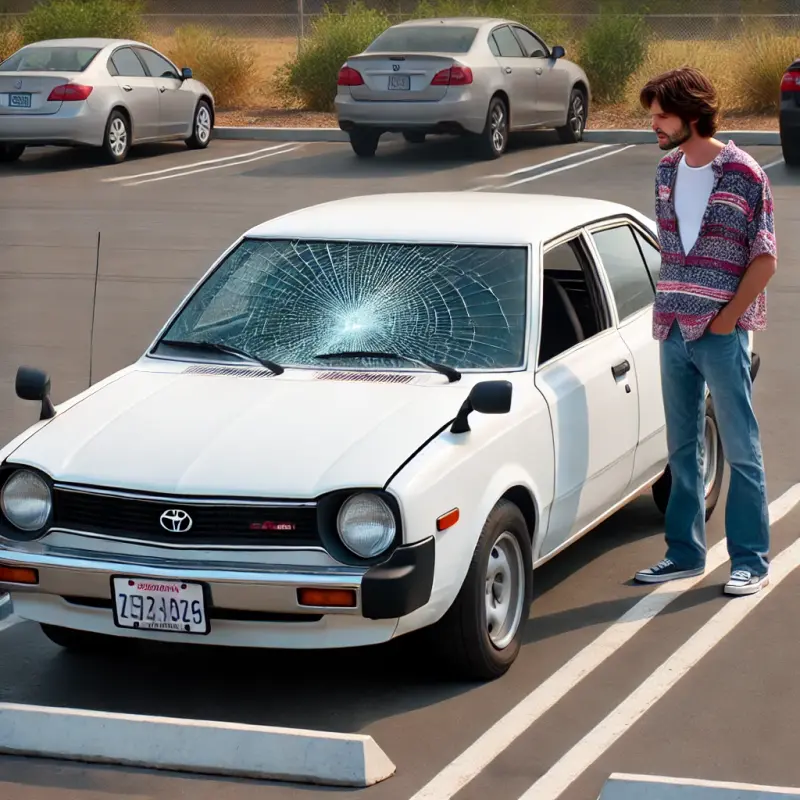
Shops that handle claims daily have direct lines to third-party administrators that carriers use for glass. These administrators verify coverage, provide an authorization number, and confirm parts and pricing. It is not unusual for the entire authorization to take under 15 minutes. If the adjuster asks you about preferred shops, you can request your Columbia auto glass shop by name. South Carolina allows you to choose your repairer, though carriers may suggest a network. Choose a shop you trust, not just the one the call center mentions first.
Lifetime warranties that actually mean something
A lifetime warranty on workmanship is standard for reputable glass shops. In plain language, that means if the urethane seal fails, if a molding comes loose, or if your windshield whistles because of the install, they fix it at no cost as long as you own the vehicle. It does not cover new damage from another rock or a branch, and it does not override material defects from the glass maker, which are rare but possible. Combined with the manufacturer’s glass warranty, you have a strong safety net.
The real test of a warranty is how the shop handles the callback. The best ones schedule you promptly, road test with you to pinpoint a noise, and do not nickel-and-dime. I once rode along with a customer on I‑77 to chase a faint whistle that only appeared at 65 mph with a crosswind. We found a tiny gap at the driver’s A‑pillar trim. Ten minutes later, silence. That is how it should work.
When repair beats replacement
Repair shines when the chip is small and recent. A resin injection done within a few days of the impact often yields the best cosmetic result. Waiting weeks allows dust and moisture into the crack, which dulls the final look. In summer, park in the shade before the tech arrives. Heat can make the crack expand while they are setting up, complicating the job.
Insurers like repair for a reason, but so do good shops. It preserves the factory bond and avoids the risk, however small, of introducing a leak. On older vehicles where the pinch weld shows rust, repair can be a smart choice even at the edge of size guidelines. I have greenlit borderline repairs simply to avoid disturbing fragile metal that would require bodywork to restore.
Glass after a break-in: the mess behind the mess
Break-ins leave shattered tempered glass everywhere: seat tracks, door pockets, trunk liners. A thorough vacuum helps, but you will still find a stray sparkle weeks later. A careful shop removes door panels to clean glass shards from the regulator and the bottom of the door. Skipping that step risks a crunching noise and scratches on the new glass. On a hot Columbia day, that metal dust and glass can cake into a paste that grinds with window movement. Ask your shop how they handle cleanup. The ones who pull the door panel and spend the extra fifteen minutes earn your repeat business.
For insurance, break-ins fall under comprehensive. If you lost personal items, those claims often route through homeowners or renters policies. Document everything with photos. Some shops can provide a written statement of damage for your records, even if the glass portion is straightforward.
Keeping that new windshield happy
Two habits protect your new glass. First, skip car washes for the first 24 to 48 hours. High-pressure jets aimed at the edges can disturb fresh urethane. Second, leave a window cracked a hair for a day if the heat climbs. Pressure changes in a sealed cabin can put extra force on the bond as the sun bakes the interior. It is minor, but I have seen it make the difference between a perfect seal and a tiny weep on day two.
During pollen season, Columbia throws a green film on everything. Wiper blades grind that grit across glass and can leave micro-scratches that grow visible at night. Replace blades twice a year, especially after a windshield replacement. It is a few dollars that preserve clarity.
The shop culture that makes claims easy
Technology and training matter, but culture drives the experience. I look for a front office that knows carriers by name and speaks calmly when an authorization hits a snag. I want installers who photograph the VIN, the damage, and the final fit, not because they are covering themselves, but because they take pride in traceable work. I pay attention to how they label glass for mobile jobs. A windshield tossed on a van floor is a warning sign. A padded rack with part numbers and sequence notes means you are in good hands.
A true Columbia auto glass shop builds relationships with local agents. When a claim needs a push, that relationship saves a day. If calibration gear needs a software update, the shop that invests in it without delay saves you a second appointment. These are the boring operational details that make an insurance claim feel simple.
What to do right now if your glass is damaged
Use this quick checklist to protect safety and speed your claim.
- Photograph the damage from outside and inside, including a wide shot that shows the location on the glass. Capture your VIN from the dash or door jamb, and note the exact model year and trim. Call a trusted Auto Glass Shop Near Columbia and ask if they can initiate the insurance claim with you on the line. Ask about ADAS calibration needs for your vehicle and whether they handle it in-house the same day. Confirm drive-away time, mobile availability, and the warranty terms in plain language.
The Columbia context: weather, roads, and daily realities
Glass breaks more here in spring and summer, when afternoon heat swings stretch minor chips into cracks. Our interstates accumulate gravel at on-ramps and construction zones. A morning run down I‑126 behind a landscaping trailer is practically a pop quiz for your windshield. Rainy seasons add another twist: fast temperature changes. A cold AC blasting on the inside and a hot rain outside creates stress that exploits existing flaws.
This is why proactive chip repair pays off. It is also why a shop’s scheduling flexibility matters. A customer in Irmo who calls at 8 a.m. with a fresh chip should get a same-day repair slot. Ten minutes of resin beats a 500 dollar replacement next week. The best shops triage these calls, sliding quick repairs between longer installs, and they give honest guidance if a chip sits too close to the edge to be worth repairing.
How to choose the right Columbia shop
If you want the shortest route from damage to done, follow three filters: experience with your insurer, calibration capability, and clear communication. Network status with your carrier helps, but it is not the whole story. Ask how often they work with your specific company and whether they can direct-bill. For calibration, confirm they can scan your vehicle and provide documentation that satisfies the insurer. On communication, judge them by the first call. Did they answer your questions without jargon? Did they set realistic expectations for parts arrival and drive-away time?
A simple test I use: ask the shop what could go wrong. If they gloss over everything, be wary. A pro will mention possible delays with special glass, weather constraints for mobile installs, and the small chance a clip might break on older trim. They will also tell you how they fix those hiccups if they happen. That candor signals competence.
Common myths that slow people down
A few myths refuse to die. You do not always need to file a police report for a rock chip. Most comprehensive claims move forward without one. Filing a glass claim does not typically raise your premium by itself. You can choose your repair shop in South Carolina, even if your insurer recommends a network option. OEM glass is not always necessary, but for certain ADAS-equipped models, it can prevent calibration headaches. Mobile installs are not inferior, but they hinge on weather and vehicle specifics.
The truth is simpler: pick a shop that understands the variables, let them quarterback the claim, and you will be fine.
Where your time and money actually go
People sometimes wonder why a windshield costs what it does. You are paying for more than a piece of glass. The adhesive is engineered to hold during an airbag deployment and a rollover. The primer chemistry prevents corrosion on exposed metal. The labor is skilled, with steps that must be sequenced precisely: trim removal, glass cut-out, pinch weld prep, primer cure, urethane application, placement, seating, cleanup, calibration, test drive. In Columbia’s climate, shops also invest in climate-controlled bays and adhesives rated for humidity.
On the insurance side, you are paying for administrative friction reduced. Shops that know the claim portals, authorization phrasing, and photo documentation cut hours from the process. That is the hidden value in “insurance claims made easy.”
A final note on safety and sanity
If the crack crosses your sightline or the glass looks spidered, do not wait. Structural integrity matters, not just for visibility. The windshield forms part of the vehicle’s safety cage and supports airbags. A compromised bond raises the stakes in a crash. I have seen cars where a properly bonded windshield made the difference between a rough day and something worse.
For everything short of that, timing is your friend. Call early, fix chips before they stretch, and lean on a shop windshield calibration Columbia SC that handles both the glass and the paperwork. Whether you search for windshield replacement Columbia or simply need advice, trust a team that treats your time as a priority and your safety as non-negotiable.
The right Columbia auto glass shop becomes a partner, not merely a vendor. They meet you where you are, whether that is a parking garage in downtown Columbia or your driveway in Cayce, get the parts right, calibrate what needs calibration, and file the insurance claim in language the carrier respects. The experience feels effortless by design. That is what made easy looks like when craftsmanship meets process.